
Kesehatan Perempuan
Tubuh wanita mengalami banyak perubahan sepanjang hidup, mulai dari kehamilan, pasca melahirkan, perubahan hormon, hingga aktivitas sehari-hari yang dapat memengaruhi otot, sendi, postur, dan kesehatan tubuh secara keseluruhan. Keluhan seperti nyeri punggung, pelvic pain, postur tubuh, hingga ketegangan otot setelah melahirkan sering kali membutuhkan penanganan yang tepat dan spesifik.
Di Akeso, women’s health physiotherapy dilakukan dengan pendekatan yang personal, hands-on, dan berbasis assessment menyeluruh. Kami membantu memahami kondisi tubuh Anda dengan lebih jelas dan menyusun program terapi yang disesuaikan dengan fase kehidupan, kebutuhan tubuh, dan tujuan pemulihan Anda.
Layanan Kesehatan Perempuan Kami
Fisioterapi Prenatal
Perubahan tubuh selama kehamilan seperti perubahan postur, peningkatan beban pada punggung dan panggul, hingga perubahan hormon dapat memicu berbagai keluhan nyeri sejak trimester awal hingga akhir. Keluhan seperti nyeri pinggang, pelvic pain, sciatica, nyeri tulang rusuk, hingga carpal tunnel saat hamil sering terjadi dan dapat ditangani dengan pendekatan yang aman serta sesuai kondisi kehamilan Anda.
Pemulihan Pascamelahirkan
Tubuh setelah melahirkan membutuhkan proses pemulihan yang tepat agar otot inti, pelvic floor, dan postur tubuh dapat kembali berfungsi dengan baik. Kami membantu mengatasi nyeri punggung dan panggul pasca melahirkan, mempersiapkan tubuh kembali aktif, serta mendukung proses return to exercise dan aktivitas harian secara bertahap dan aman.
Rehabilitasi Pasca Operasi Caesar
Operasi caesar merupakan prosedur besar yang memerlukan proses rehabilitasi dan recovery yang terarah. Penanganan jaringan parut (scar tissue), pemulihan otot inti, serta pengurangan nyeri pada area perut, panggul, dan punggung menjadi bagian penting agar tubuh dapat kembali bergerak dengan nyaman dan optimal setelah persalinan caesar.
Cedera pada Ibu Menyusui & Ibu Baru
Aktivitas menyusui, menggendong, dan merawat bayi dalam posisi yang berulang sering menyebabkan nyeri leher, bahu, punggung, hingga pergelangan tangan pada ibu baru. Keluhan ini sangat umum terjadi setelah melahirkan, tetapi bukan sesuatu yang harus terus dibiarkan.
Dengan treatment yang tepat dan pendekatan yang sesuai aktivitas harian ibu, ketegangan otot dan nyeri tubuh dapat berkurang lebih cepat. Kami juga membantu memperbaiki posisi menyusui dan pola gerak sehari-hari agar tubuh terasa lebih nyaman saat merawat si kecil.
Diastasis Recti (Abdominal Separation)
Diastasis recti atau pemisahan otot perut sering terjadi selama dan setelah kehamilan akibat peregangan dinding perut untuk mendukung pertumbuhan janin. Kondisi ini dapat memengaruhi kekuatan core, postur tubuh, hingga menyebabkan nyeri punggung dan panggul setelah melahirkan. Kami membantu mengevaluasi kondisi otot perut dan memberikan program latihan yang aman serta terarah untuk membantu pemulihan core dan fungsi tubuh secara optimal.
Pelvic Floor Rehabilitation
Otot pelvic floor berperan penting dalam menopang kandung kemih, rahim, dan fungsi tubuh bagian bawah. Setelah kehamilan dan persalinan, area ini dapat mengalami kelemahan atau ketegangan yang memicu keluhan seperti urinary incontinence, pelvic pain, rasa tidak nyaman saat beraktivitas, hingga gangguan saat olahraga. Melalui assessment menyeluruh dan pendekatan terapi yang tepat, kami membantu memperbaiki fungsi pelvic floor agar tubuh kembali nyaman, kuat, dan stabil.
What to expect at your first session
Your first appointment is a full consultation with one of our Clinic Directors. We take a detailed history — your pregnancy or birth history, your symptoms, your goals, and how your body has been responding. We then carry out a thorough physical assessment, explain our findings clearly, and give you a personalised Care Plan.
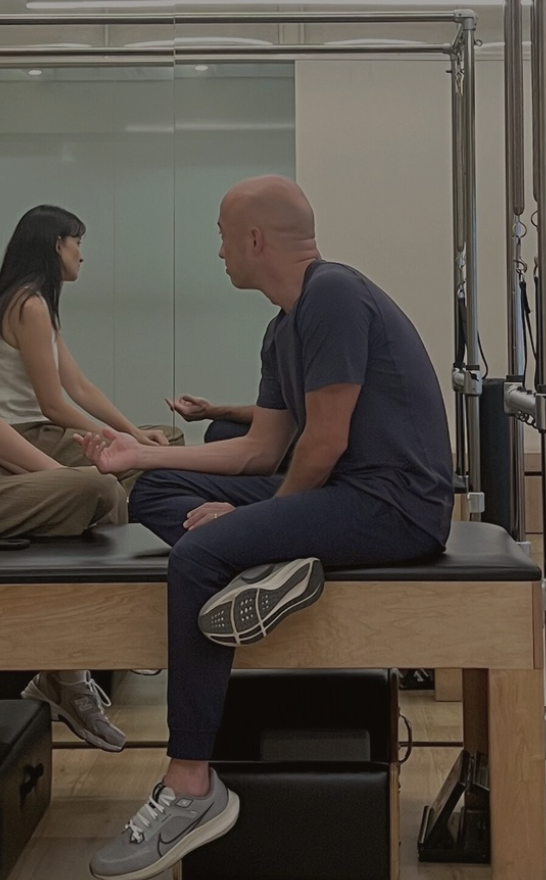
1. Assessment
A Clinic Director will take a detailed history and thorough examination to understand how you move, discover the root cause of any pain.
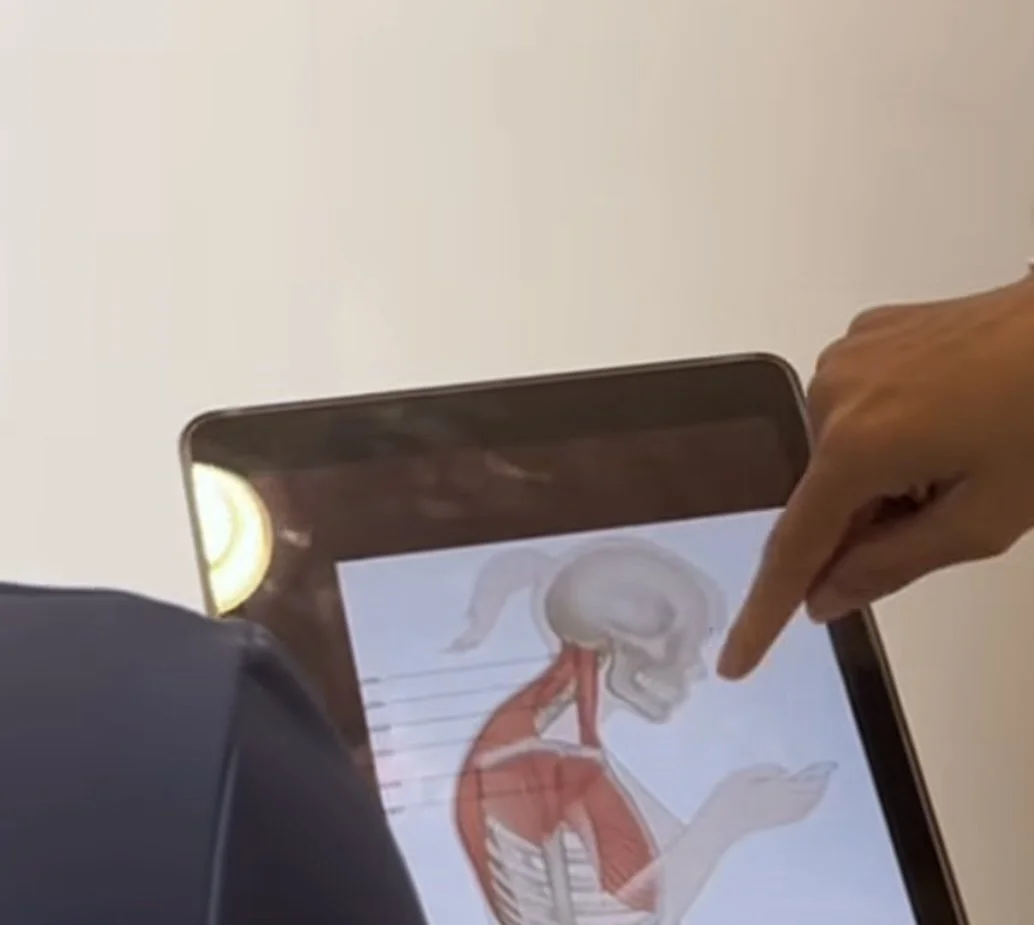
2. Planning
Based on the findings and your personal goals, we will create a customised step-by-step Care Plan.
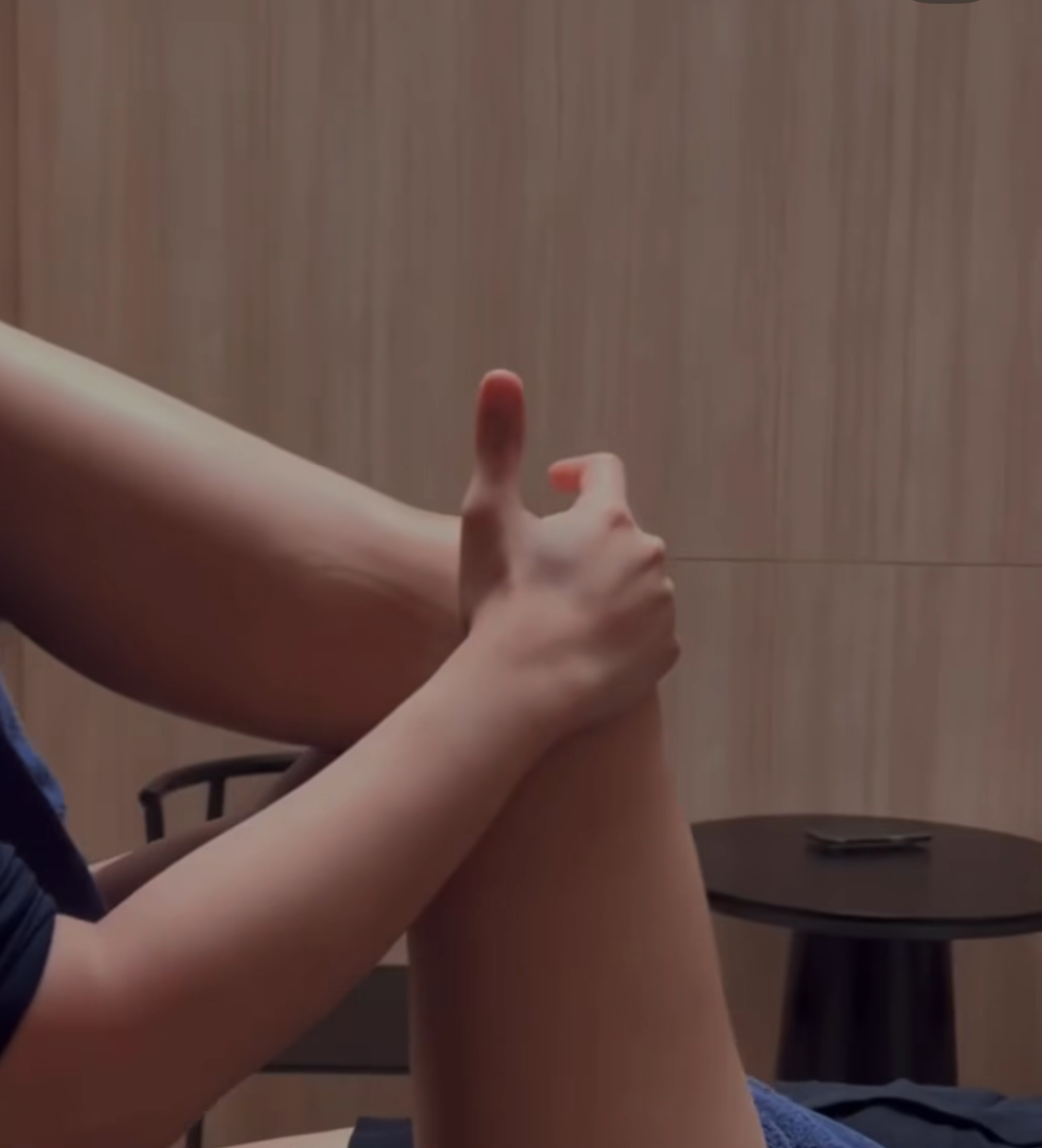
3. Healing
The goal is to get you out of pain and heal your body by using a blend of Australian Manual Therapy techniques.
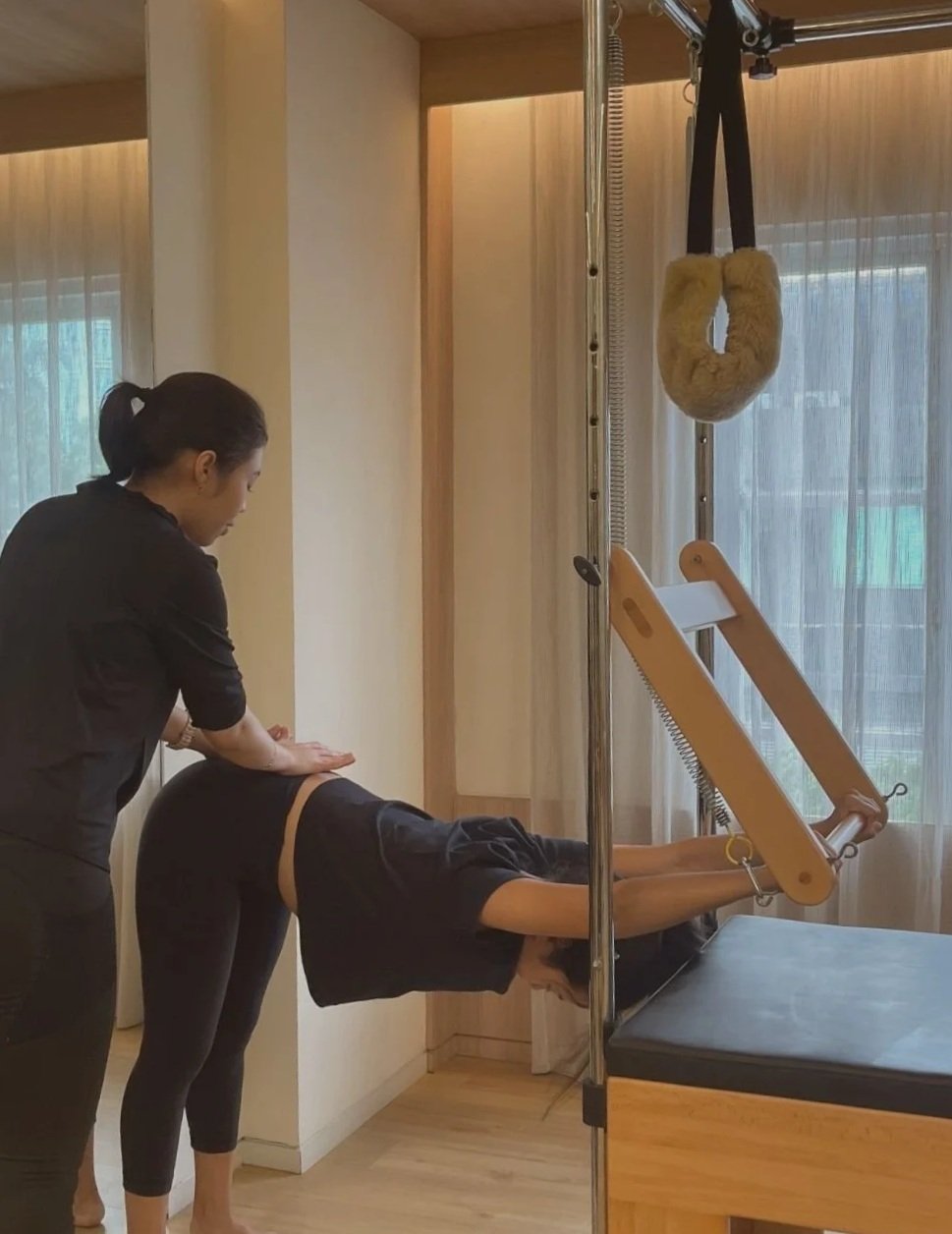
4. Strengthening
We combine our deep physiotherapy knowledge with the latest movement science, to strengthen your body and prevent future injuries.